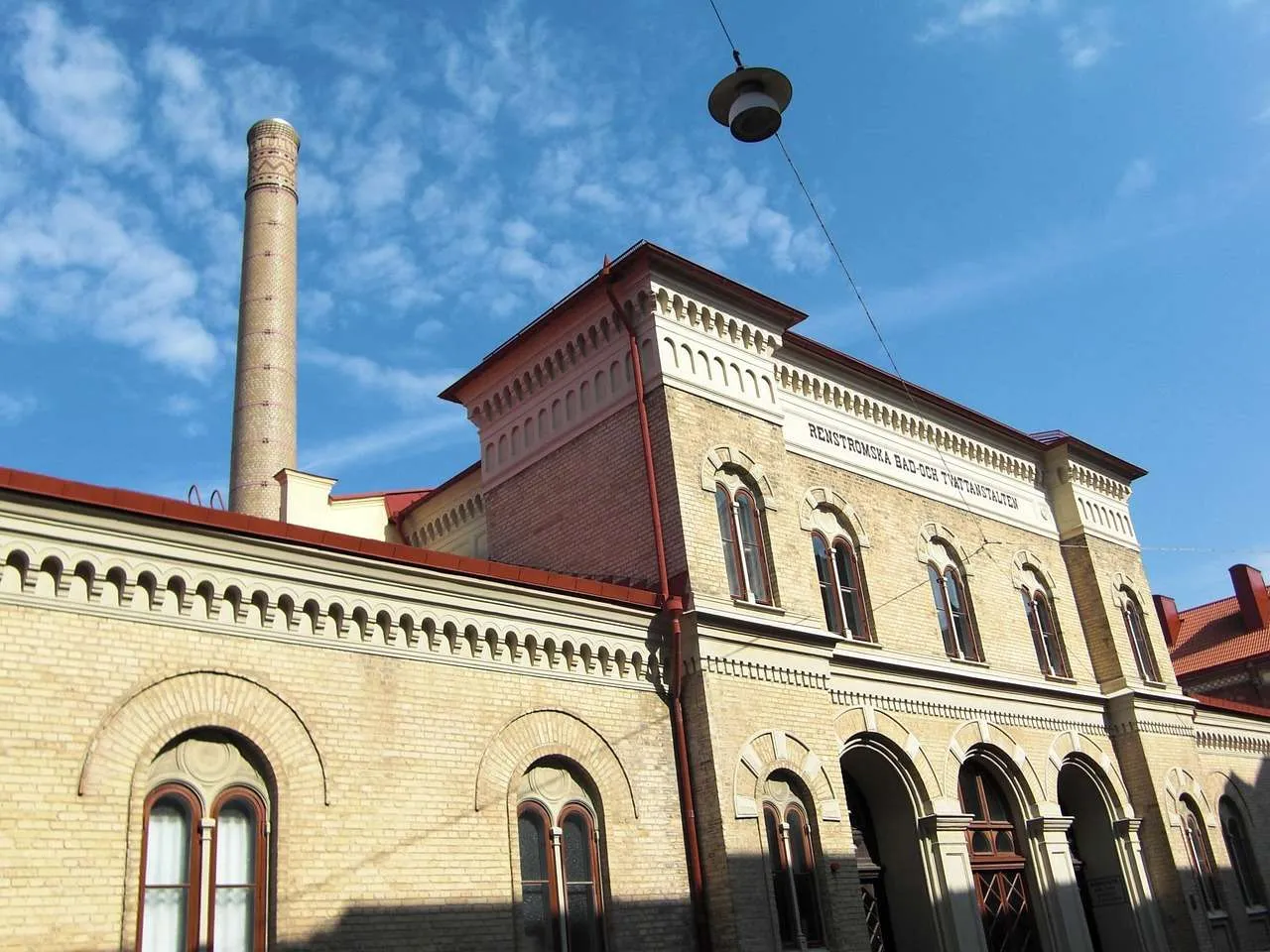
Roofing is a critical component of a safe, energy-efficient home. When roof repairs are needed, timely, professional intervention preserves the structure, protects belongings, and preserves property value. This guide covers common signs of damage, repair options, cost considerations, and how to choose a trusted roofing contractor. Built on industry practices and safety standards, the information aims to help homeowners make informed decisions with confidence.
Understanding Roofing and Roof Repairs
Roofing describes the system of materials and components that shield a building from weather. Roof repairs are the interventions used to fix leaks, damaged shingles, flashing failures, or ventilation issues that affect performance. While some maintenance tasks can be DIY, most roof repairs require experience, proper safety equipment, and an understanding of local building codes. The goal is to restore waterproofing, extend roof life, and maintain energy efficiency while minimizing future repair costs.
Signs You Need Roof Repairs
- Visible leaks or staining on ceilings and walls, especially after rain.
- Missing, cracked, or curling shingles and granules in gutters.
- Ceiling dampness, mold growth, or attic warmth indicating hidden leaks.
- Sagging sections, loose flashing, or wind damage after storms.
- Ice dams forming at eaves during winter, signaling insulation or ventilation issues.
Early detection reduces the risk of structural damage and costly replacements. If you notice any of these signs, schedule a professional inspection for an accurate assessment and written scope of work.
Common Types of Roof Repairs
Minor patching and leak sealing
Small leaks or hairline cracks can be sealed with compatible patching materials and sealants. This is often a temporary fix and may require re-inspection after severe weather.
Flashing repair
Flashing around chimneys, vents, and skylights can deteriorate, allowing water intrusion. Repairing or replacing flashing restores the water-tight seal at roof penetrations.
Shingle replacement and nail pops
Damaged or missing shingles are replaced to restore surface integrity. Detaching nails and re-securing shingles prevents further uplift during wind events.
Ventilation and insulation fixes
Improper attic ventilation can lead to excess heat and moisture, accelerating wear. Repairs may include vent adjustments, baffles, and insulation improvements to reduce future damage.
DIY vs Professional Roofing
DIY roof repairs are generally not advised for complex leaks, steep pitches, or structures with multiple penetrations. Safety risks, fall protection requirements, and the need for proper equipment argue for a licensed professional. A contractor will appraise the full scope, obtain permits if required, and ensure repairs meet building codes and warranty requirements.
Choosing a Licensed Roofing Contractor
When evaluating contractors, look for licensing and insurance, written estimates, and a clear warranty policy. Check references and recent project photos, verify bonding if applicable, and confirm that the roof repair plan aligns with local codes and manufacturer guidelines. A reputable contractor will provide a detailed contract, a schedule, and a post-repair inspection option to ensure the fix holds under typical weather conditions.
Costs and Maintenance
Costs for roof repairs vary by material, extent, and region. Typical ranges (before tax and labor) include: minor repairs and sealants, moderate leaks, or flashing work. More extensive patches or partial replacements cost more, while a full reroof of an older system is the highest investment. Regular maintenance—clean gutters, remove debris, trim overhanging branches, and schedule annual inspections—extends roof life and reduces the likelihood of major repairs.
Comparison of Roof Repair Options
| Option | Typical Scope | Typical Cost | Longevity | When to Choose |
|---|---|---|---|---|
| Minor patching | Seal small cracks and leaks | Low | 1–5 years | Isolated issue, good for short-term delay before full repair |
| Shingle replacement | Replace damaged shingles and reseal overlapping areas | Medium | 5–15 years depending on roof age | Localized damage; maintains surface integrity |
| Flashing repair | Repair or replace around chimneys, vents, parapets | Medium | 5–20 years | Water intrusion at penetrations; critical for leaks |
| Partial roof replacement | Replace a section with correct alignment to existing roof | High | 15–30 years for new section | Extensive damage in one area; cost-effective over full reroof |
| Full reroof | Remove and replace entire roof system | Highest | 20–40+ years depending on materials | Old or heavily damaged roof; improves warranty and energy efficiency |
Maintenance tips to extend roof life include scheduling a professional inspection after major storms, keeping gutters clear, trimming trees to prevent branch damage, and ensuring attic insulation and ventilation are adequate to minimize ice dams and moisture buildup.
Summary of best practices: prioritize early detection, rely on licensed professionals for inspections and repairs, and align repair choices with the roof’s age, material, and local climate to maximize value and longevity.
Conclusion
Conclusion, this guide provides a practical framework for understanding roofing and roof repairs. By recognizing signs early, selecting a qualified contractor, and following maintenance routines, homeowners can protect their homes, optimize repair outcomes, and extend the life of their roofs for years to come.