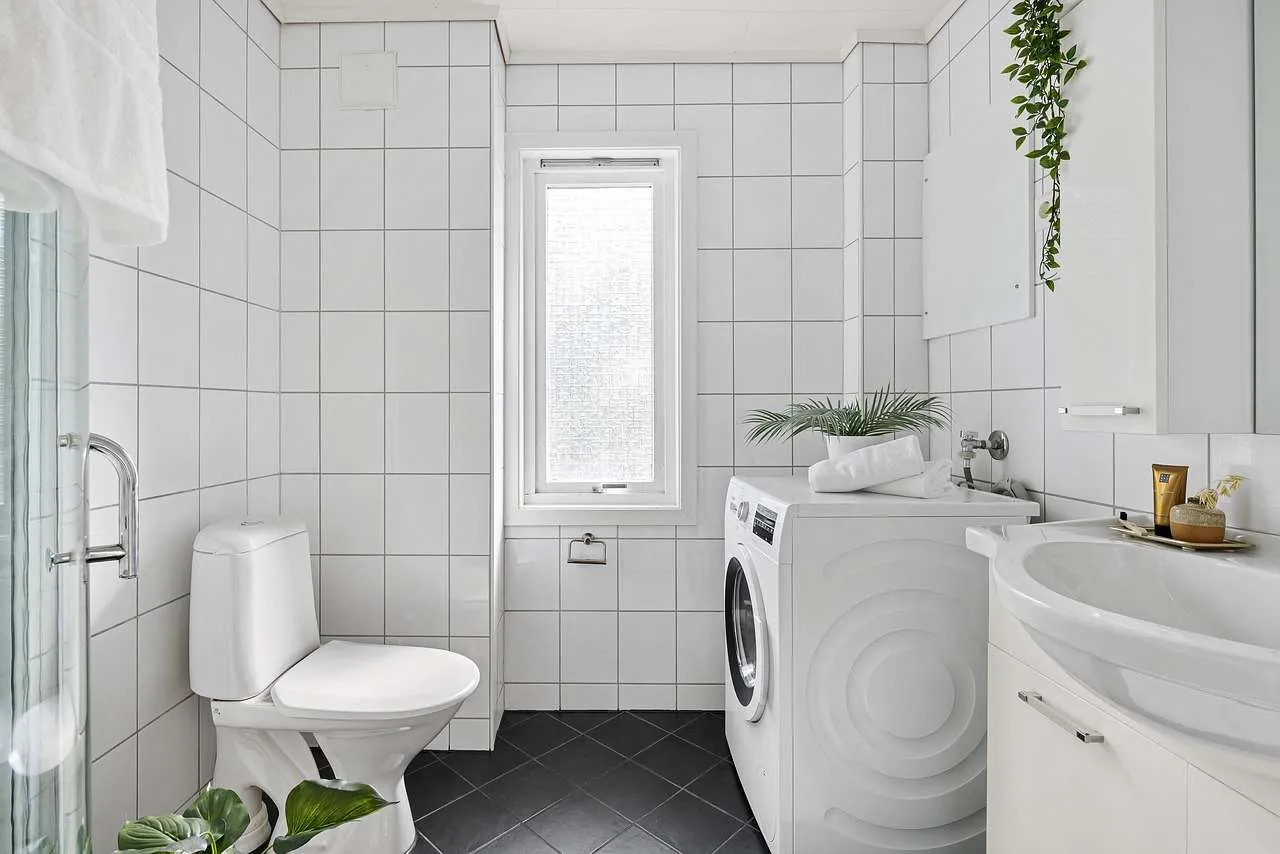
Designing bathroom decor that feels fresh and timeless starts with clear priorities: safety, moisture resistance, lighting, and personal style. This guide helps you balance aesthetics with daily practicality, whether you are renovating a primary bath or updating a powder room.
Understanding bathroom decor
Bathroom decor defines how space looks and how it functions. It blends color, texture, fixtures, and storage to create a coherent mood—calm spa, sleek modern, or cozy traditional. Good decor respects moisture, supports easy cleaning, and adapts to your routine.
Key design styles to consider
Modern and Minimalist
Modern design emphasizes clean lines, neutral palettes, and uncluttered surfaces. Choose a floating vanity, wall mounted faucets, and frameless mirrors to enhance openness. Use large-format tiles and glossy or matte neutrals to keep reflections gentle and spaces breathable.
Classic and Traditional
Classic bathrooms rely on symmetry, quality materials, and warm wood tones. Brushed metal fixtures, subway or hex tiles, and a statement mirror can anchor the room without overwhelming it. This style ages well and can accommodate updates through accessories rather than a full remodel.
Coastal and Spa inspired
Coastal bathrooms rely on light, airy tones and natural textures for a breezy, relaxed vibe. Soft blues, sandy neutrals, and woven accents pair with simple hardware to maintain a calm, beach-inspired atmosphere.
Color palettes and textures
Color sets the mood before furniture enters the room. For small baths, opt for light neutrals and an accent color that you can change with towels, art, or a vanity stool. Introduce texture with tile patterns, stone veining, and textiles to add depth without busy prints.
Lighting and fixtures
Layered lighting is essential: ambient ceiling light, task lighting at the mirror, and soft accent lights that sculpt architecture. Choose color temperatures around 2700–3000K for warmth or 3500K for a clean, clinical feel. Install dimmers to switch from daily routines to a relaxing evening bath.
Storage, layout, and materials
Plan a layout that keeps essentials reachable without crowding. Built in niches, recessed storage, and vanity drawers maximize space. Materials should resist mold and humidity: porcelain tile, quartz countertops, ceramic fixtures, and solid-surface undermount sinks. Use moisture resistant paint and sealed grout to extend life.
Budgeting and shopping tips
Define a realistic budget and prioritize items that deliver both function and impact. Compare product warranties, read reviews, and choose durable finishes. When possible, source from reputable retailers and request swatches or samples to verify the look in your bathroom lighting.
Comparison of popular bathroom decor styles
| Style | Aesthetic | Pros | Cons | Best For |
|---|---|---|---|---|
| Modern | Clean lines, minimal ornament | Feels spacious, easy to clean | Can feel cold or impersonal | Small or urban baths |
| Classic | Warm, timeless details | Long lasting appeal | May require careful matching of fixtures | Homes with traditional finishes |
| Rustic | Natural textures, earthy tones | Cozy, durable surfaces | Can look heavy without balance | Cabins, country homes |
| Minimalist | As clean as possible | Extremely low maintenance | Requires discipline to avoid clutter | Medium to large spaces with storage |
| Spa/Zen | Calm, serene palette | Highly relaxing | Can be costly to reproduce | Bathrooms for retreat feel |
Creating a cohesive look means mixing a core palette with textural contrasts and thoughtful hardware. Small touches—the shape of a soap dish, the finish on a faucet, or a botanical print—anchor the style without dominating the room.
Conclusion, a thoughtful bathroom decor plan marries style with durability. Start with layout and moisture-resistant materials, then layer color, texture, and lighting to build a space you love returning to every day. Test ideas with samples, refine based on how the room feels under different light, and prioritize fixtures and storage that offer the best daily value.